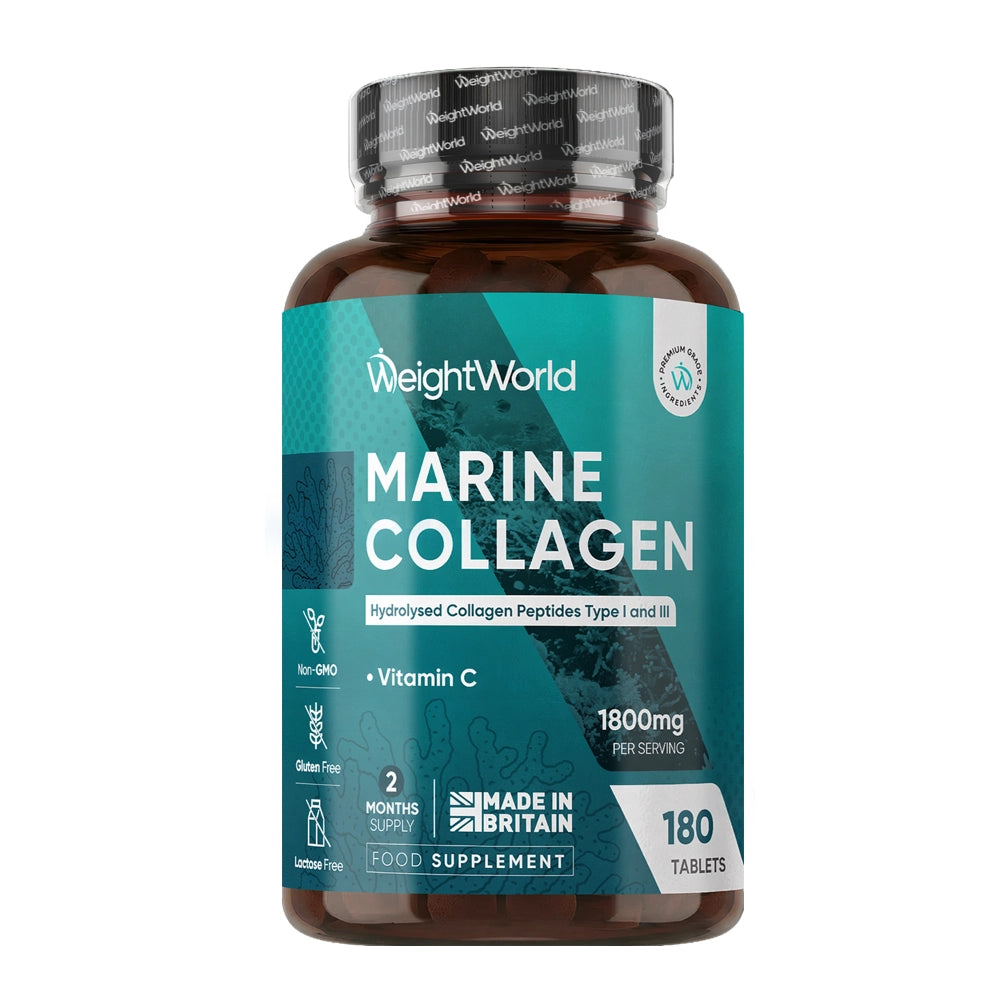
In recent years, consumers have become increasingly aware of the impact that nutrition has on overall health, prompting a shift toward natural supplements as a complementary strategy to traditional diets. While vitamins and minerals are essential, many people find that whole-food-derived extracts, botanicals, and adaptogens can fill nutritional gaps, support specific bodily functions, and promote long-term vitality. Understanding how these products work, the science behind them, and the practical considerations for safe use can empower individuals to make informed choices that align with their health goals.
Why Natural Supplements Matter
Natural supplements differ from synthetic alternatives in several key ways, each contributing to their growing popularity among health-conscious consumers.
Bioavailability and Whole-Food Synergy
- Enhanced absorption: Many plant-based nutrients are naturally bound to cofactors that aid digestion and transport into cells.
- Synergistic compounds: Whole-food matrices contain phytochemicals, fiber, and enzymes that work together, often delivering greater efficacy than isolated ingredients.
- Reduced risk of excess: Natural sources typically provide nutrients in balanced ratios, lowering the chance of over-supplementation.
Safety and Sustainability
- Fewer additives: High-quality products minimize artificial fillers, preservatives, and synthetic colors.
- Eco-friendly sourcing: Ethical farming practices and responsible harvesting preserve biodiversity and support local economies.
- Transparent labeling: Reputable brands often provide third-party testing results, ensuring purity and potency.
Key Categories of Natural Supplements
Below is an overview of the most widely researched and utilized categories, each addressing specific health concerns.
Vitamins and Minerals
- Vitamin D3 + K2: Supports bone health, immune function, and cardiovascular balance.
- Magnesium glycinate: Promotes relaxation, muscle recovery, and healthy sleep cycles.
- Iron bisglycinate: Improves absorption while minimizing gastrointestinal discomfort.
Herbal Adaptogens
- Ashwagandha: Helps the body adapt to stress, enhances stamina, and may improve cognitive clarity.
- Rhodiola rosea: Boosts energy levels, reduces fatigue, and supports mental performance under pressure.
- Holy basil: Offers antioxidant protection and assists in maintaining healthy blood sugar levels.
Omega Fatty Acids
- Algal DHA/EPA: A plant-based source of essential omega-3s that supports heart health, joint flexibility, and brain function.
- Flaxseed oil: Provides ALA, a precursor to DHA/EPA, and contributes to skin hydration.
How to Choose High-Quality Natural Supplements
Selecting the right product involves more than just reading the label. Consider the following criteria to ensure safety, efficacy, and value.
- Third-party certification: Look for NSF, USP, or Informed-Sport testing to verify purity.
- Ingredient sourcing: Prefer brands that disclose farm locations, organic certifications, and sustainable practices.
- Dosage transparency: The label should list the exact amount of active ingredient per serving, not just proprietary blends.
- Manufacturing standards: GMP-certified facilities reduce the risk of contamination and ensure consistent product quality.
Integrating Supplements into a Balanced Lifestyle
Supplements are most effective when paired with a well-rounded diet, regular exercise, and adequate rest. Below are practical steps to incorporate them responsibly.
Timing and Pairing
- Fat-soluble nutrients (e.g., vitamins D, E, K): Take with meals containing healthy fats for optimal absorption.
- Minerals (e.g., calcium, iron): Separate from high-phytate foods like whole grains to avoid binding and reduce bioavailability.
- Adaptogens: Consistent daily use, preferably in the morning, helps maintain a steady stress-resilience response.
Monitoring and Adjusting
- Track symptoms, energy levels, and any side effects in a health journal.
- Consult a qualified healthcare professional before starting new regimens, especially if taking prescription medication.
- Periodically reassess dosage based on laboratory results or changing health goals.
Potential Risks and How to Mitigate Them
While natural supplements are generally safe, certain factors can increase the likelihood of adverse reactions.
- Allergies: Verify that the product is free from common allergens such as gluten, soy, or dairy.
- Interactions: Some botanicals may affect blood clotting or hormone balance; professional guidance is essential.
- Over-dosage: Even natural compounds can be harmful in excess; adhere strictly to recommended serving sizes.
Future Trends in Natural Supplementation
Advancements in biotechnology and personalized nutrition are shaping the next generation of supplements.
- Precision formulations: DNA-based testing may soon guide individualized nutrient blends.
- Fermented botanicals: Enhanced bioavailability through natural fermentation processes.
- Clean-label innovations: Growing demand for transparent, minimal-ingredient products drives industry standards.
For those seeking reliable options, exploring reputable sources of supplements can provide a solid foundation for building a personalized wellness plan.
About the Author