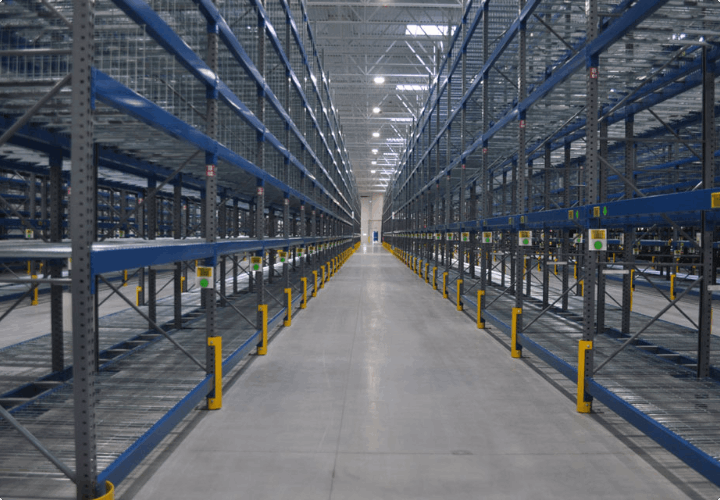
In the modern age of industry and commerce, efficient storage solutions are more critical than ever. As businesses grow, so does the need for effective space management. Industrial racking systems have emerged as a pivotal solution to optimize storage, allowing businesses to unlock valuable space and streamline operations. By understanding how these systems work and their potential benefits, businesses can significantly improve their storage strategies.
The Importance of Industrial Racking Systems
Industrial racking systems are essential for maximizing space within warehouses, distribution centers, and manufacturing facilities. They offer a structured way to store goods, enabling easy access and inventory management. By organizing products vertically, these systems make the most of available space, which is often limited in urban or high-demand areas.
Key Benefits of Racking Systems
- Space Optimization: By utilizing vertical space, racking systems allow for the storage of more goods in less floor space, thus increasing the overall storage capacity.
- Improved Accessibility: With organized racks, items can be easily accessed, reducing the time required to locate and retrieve products.
- Enhanced Safety: Properly installed racking systems can enhance safety by reducing the risk of accidents associated with stacked goods or cluttered floors.
- Scalability: These systems are modular, meaning they can be adjusted or expanded as storage needs change over time.
For businesses looking to enhance their storage capabilities, it’s essential to learn about our tailored solutions that cater to specific needs and space configurations.
Types of Industrial Racking Systems
There are various types of industrial racking systems available, each with unique features and benefits. Choosing the right type depends on the specific requirements of the business, including the type of goods being stored and the available space.
Common Racking Systems
- Pallet Racking: Ideal for storing palletized goods, this system provides flexibility and easy access to each pallet.
- Drive-In/Drive-Through Racking: Suitable for high-density storage, these systems allow forklifts to drive directly into the rack structure.
- Cantilever Racking: Perfect for storing long, bulky items like lumber or pipes, this system provides open access to goods.
- Mezzanine Flooring: A cost-effective way to increase floor space by adding an additional level within the existing structure.
To discover expert strategies here for selecting the most appropriate racking system for your business.
Implementing Racking Systems: Key Considerations
When implementing industrial racking systems, several factors must be considered to ensure efficiency and safety. These include:
- Weight Capacity: Ensure that the racking system can support the weight of the goods being stored.
- Space Layout: Plan the layout to optimize flow and accessibility, minimizing the need for excessive movement.
- Regulatory Compliance: Adhere to safety regulations and standards to prevent accidents and ensure the protection of workers.
- Maintenance: Regular inspection and maintenance are crucial to prolong the lifespan of the racking system and ensure ongoing safety.
For detailed advice on implementing these systems, find out more about this approach that aligns with industry best practices.
Conclusion
Industrial racking systems are a transformative solution for businesses seeking to improve storage efficiency and safety. By choosing the right type of system and implementing it correctly, companies can unlock significant space and operational benefits. For businesses looking to enhance their storage strategies, it’s crucial to explore advanced guides and tips that provide comprehensive insights into optimizing these systems for maximum impact. As industries continue to evolve, leveraging the full potential of industrial racking systems will be key to maintaining competitive advantage and operational excellence.
About the Author



