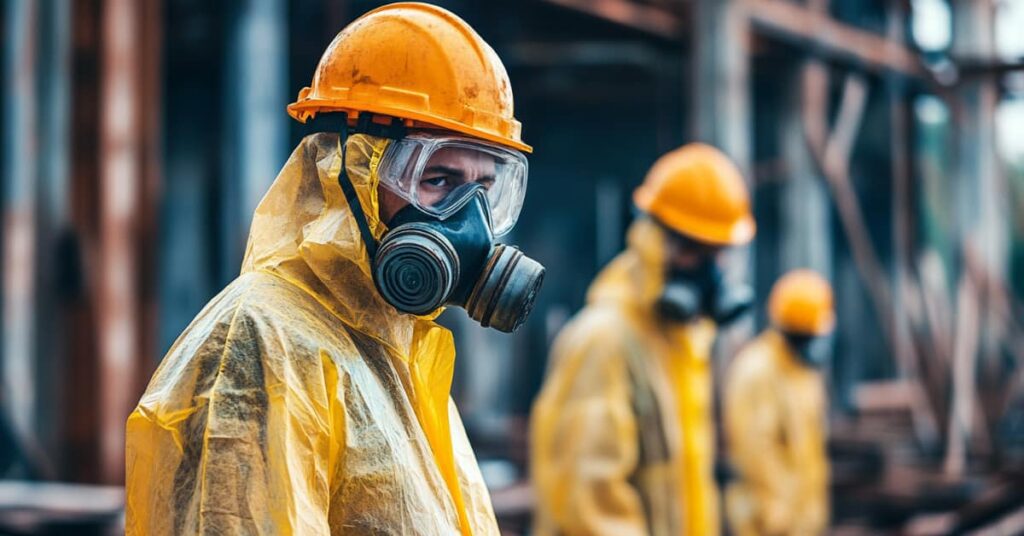
Hazardous materials remediation is a critical process that ensures the health and safety of environments affected by toxic substances. The task requires a comprehensive understanding of the materials involved, compliance with legal regulations, and the implementation of effective remediation strategies. This article outlines essential steps for successful hazardous materials remediation, providing a structured approach to managing and mitigating the risks associated with hazardous substances.
Understanding the Scope of Hazardous Materials
Before embarking on a remediation project, it is crucial to thoroughly assess the scope and nature of the hazardous materials present. This initial step involves:
- Conducting a detailed site assessment to identify all potential sources of contamination.
- Classifying the types of hazardous materials involved, such as chemical, biological, or radiological substances.
- Evaluating the extent of contamination and the potential impact on human health and the environment.
Discover expert strategies here for conducting effective site assessments.
Compliance with Legal and Regulatory Standards
Adhering to legal and regulatory standards is paramount in hazardous materials remediation. This includes:
- Understanding and complying with local, state, and federal regulations regarding hazardous waste management.
- Ensuring all personnel involved in the remediation process are adequately trained and certified.
- Maintaining accurate records of all activities, including waste generation, transportation, and disposal.
Learn about tailored solutions for compliance here.
Developing a Comprehensive Remediation Plan
Risk Assessment and Analysis
A thorough risk assessment is essential to understanding the potential hazards and developing a strategic remediation plan. Key components include:
- Identifying potential exposure pathways and vulnerable populations.
- Determining the urgency and priority of remediation efforts.
- Establishing clear objectives and timelines for remediation activities.
Explore advanced guides and tips on risk assessment here.
Selection of Appropriate Remediation Techniques
Choosing the right techniques is crucial for effective remediation. Considerations include:
- The nature and volume of hazardous materials involved.
- The site conditions and accessibility.
- The potential impact on the surrounding environment and communities.
Find out more about this approach here.
Implementation and Monitoring of Remediation Activities
Once a remediation plan is in place, the focus shifts to the implementation and continuous monitoring of the activities. Essential steps include:
- Deploying trained professionals to execute the remediation tasks efficiently.
- Using advanced technologies and equipment to enhance safety and effectiveness.
- Regularly monitoring the progress and making adjustments as necessary to ensure compliance and effectiveness.
Learn about the necessary steps for successful implementation here.
Post-Remediation Evaluation and Reporting
After the remediation process is complete, a thorough evaluation is crucial to ensure that all objectives have been met. This involves:
- Conducting final site inspections to verify the removal or containment of hazardous materials.
- Documenting the outcomes and any remaining risks or concerns.
- Preparing comprehensive reports for stakeholders and regulatory bodies.
Explore advanced guides and tips on post-remediation evaluation here.
In conclusion, successful hazardous materials remediation requires meticulous planning, compliance with regulations, and the application of appropriate techniques. By following these essential steps, organizations can effectively manage hazardous materials, protecting both human health and the environment.
About the Author



