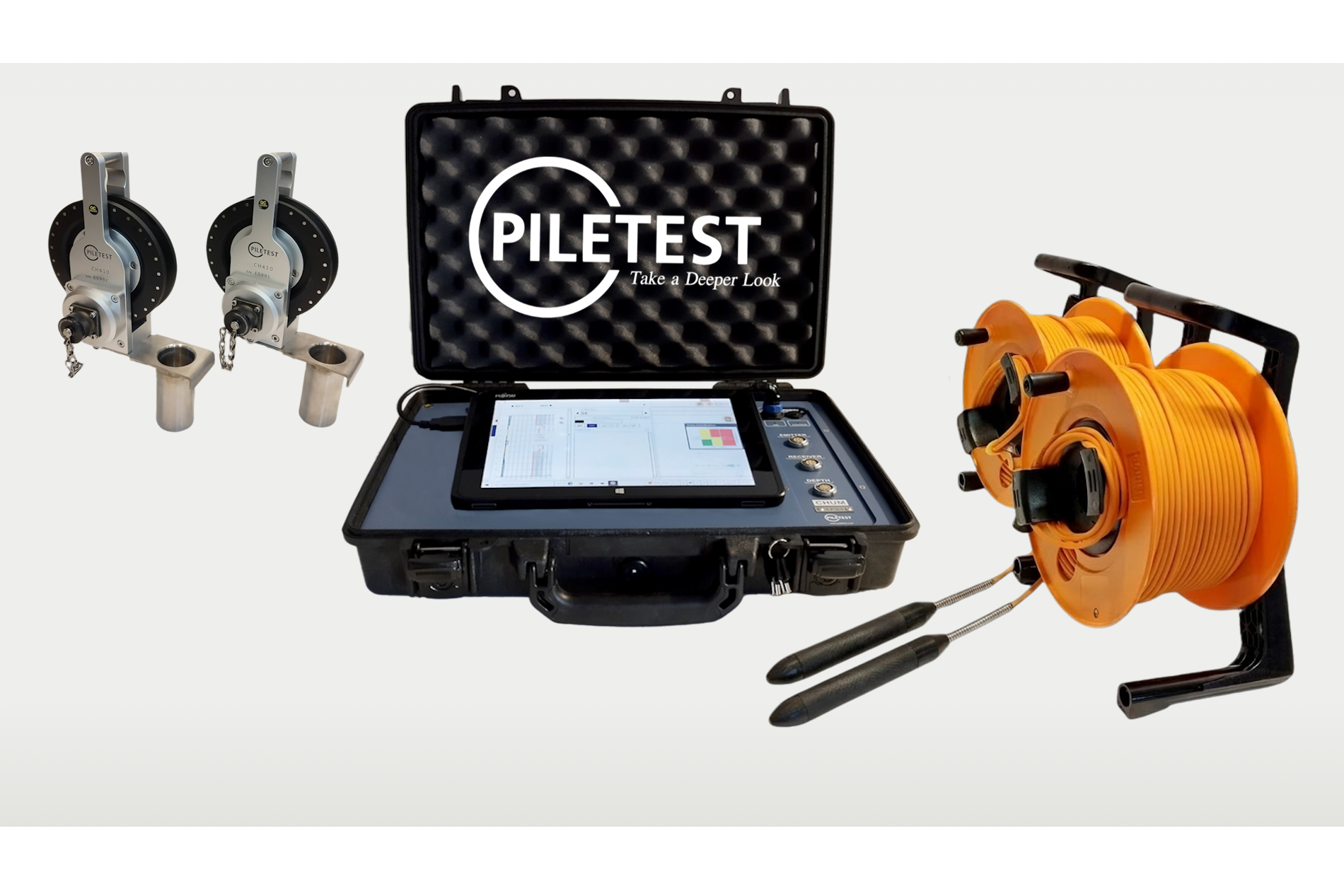
Selecting the appropriate crosshole sonic logging (CSL) equipment is crucial for ensuring the structural integrity of concrete piles and drilled shafts. This non-destructive testing method is essential for detecting defects in construction projects, thus enhancing safety and reliability. With various options available, making an informed decision requires understanding the specific requirements of the project, the capabilities of the equipment, and the technological advancements that can optimize performance. This article delves into the key considerations to guide professionals in the construction industry towards making the right choice for their CSL needs.
Understanding Crosshole Sonic Logging
Crosshole Sonic Logging is a method used to assess the quality of concrete foundations by measuring the speed of an ultrasonic pulse through the concrete. This technique helps identify flaws such as voids, honeycombing, or poor concrete quality. Here’s why it’s indispensable:
- Provides a detailed profile of the concrete’s integrity.
- Identifies potential weak points that could compromise structural safety.
- Offers a reliable means to comply with construction quality standards.
Factors to Consider When Choosing Equipment
Project Requirements
The choice of CSL equipment must align with the specific needs of the project. Key considerations include:
- Depth and Diameter: Ensure the equipment can handle the depth and diameter of the piles or shafts being tested.
- Environmental Conditions: Consider equipment that can withstand the environmental conditions it will be used in, such as temperature and moisture levels.
- Data Analysis Capabilities: Opt for models that provide comprehensive data analytics for accurate interpretation.
Discover expert strategies here to match equipment specifications with project demands effectively.
Technological Advancements
Modern CSL equipment incorporates advanced technologies that enhance accuracy and ease of use. When selecting equipment, consider:
- Digital Integration: Equipment that offers digital data logging and integration with analysis software can streamline the testing process.
- Wireless Capabilities: Look for options that support wireless data transmission for real-time monitoring.
- User Interface: A user-friendly interface can greatly reduce training time and errors.
Learn about our tailored solutions to leverage these technological advancements effectively.
Cost and Maintenance
The financial aspect is always a consideration in equipment selection. While initial costs are important, also consider:
- Longevity and Durability: Equipment that is built to last can offer better value over time.
- Maintenance Requirements: Choose equipment that requires minimal maintenance to reduce downtime and operational costs.
- Warranty and Support: Ensure that the manufacturer offers robust support and warranty options.
Explore advanced guides and tips on balancing cost with quality.
Conclusion
Selecting the right crosshole sonic logging equipment involves a comprehensive evaluation of project requirements, technological features, and cost considerations. By prioritizing these aspects, professionals can ensure the reliability and safety of their construction projects. Find out more about this approach and enhance your decision-making process with expert insights and tailored solutions.
About the Author



