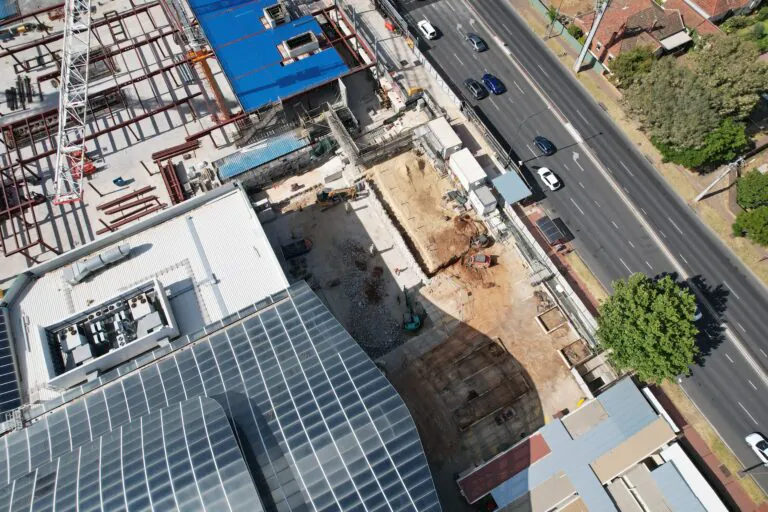
In an era where sustainable development is at the forefront of global priorities, building deconstruction services offer a pivotal solution. Unlike traditional demolition, which often results in significant waste and environmental impact, deconstruction emphasizes the careful dismantling of structures to salvage materials that can be reused or recycled. This approach not only minimizes landfill contributions but also conserves resources and reduces the overall carbon footprint of construction activities. As the world moves toward more sustainable practices, understanding the benefits and processes of building deconstruction becomes essential.
The Principles of Building Deconstruction
Building deconstruction is founded on several key principles that distinguish it from conventional demolition:
- Material Recovery: The primary goal is to recover as much material as possible for reuse or recycling.
- Environmental Responsibility: Deconstruction reduces the environmental impact by minimizing waste and conserving natural resources.
- Economic Viability: By salvaging materials, deconstruction can provide economic benefits through the resale of materials and reduced disposal costs.
These principles align with broader efforts to promote sustainability in the construction industry. Read more about this topic to understand the impact deconstruction can have on sustainable practices.
Benefits of Building Deconstruction
Environmental Benefits
One of the most significant advantages of building deconstruction is its environmental impact:
- Reduction of Landfill Waste: By carefully dismantling structures, deconstruction significantly reduces the volume of waste sent to landfills.
- Resource Conservation: Salvaged materials can be reused, reducing the need for new resources and thereby conserving raw materials.
- Lower Carbon Emissions: By reducing the need for new materials and transportation, deconstruction helps lower greenhouse gas emissions.
These benefits make building deconstruction a critical component of sustainable development strategies. Learn more in this detailed guide to explore how deconstruction contributes to environmental sustainability.
Economic Benefits
Aside from environmental advantages, building deconstruction also offers several economic benefits:
- Cost Savings: Reduced waste disposal fees and the potential resale of salvaged materials can lead to significant cost savings.
- Job Creation: Deconstruction is typically more labor-intensive than demolition, creating more jobs in the process.
- Market for Reclaimed Materials: There is a growing market for reclaimed building materials, which can be sold, providing additional revenue streams.
For a comprehensive understanding of the economic potential of deconstruction, explore further insights here.
The Deconstruction Process
Building deconstruction involves a series of methodical steps to ensure the efficient recovery of materials:
- Assessment and Planning: An initial assessment is conducted to determine the materials that can be salvaged and to develop a deconstruction plan.
- Dismantling: Structures are carefully dismantled, with a focus on preserving the integrity of materials for reuse.
- Sorting and Salvaging: Materials are sorted on-site for reuse, recycling, or disposal.
- Final Site Clearance: The site is cleared of all debris, ensuring minimal environmental impact.
Each step is carried out with precision and care to maximize the recovery of materials and minimize waste. Find additional information here to understand the intricacies of the deconstruction process.
Conclusion
Building deconstruction services represent a shift toward more sustainable construction practices. By focusing on material recovery, environmental responsibility, and economic viability, deconstruction not only minimizes the environmental footprint of the construction industry but also provides economic benefits. As sustainability becomes increasingly crucial, embracing deconstruction is an effective way to balance development with environmental stewardship. For those interested in implementing these practices, understanding the principles, benefits, and processes of deconstruction is essential. To delve deeper into the role of deconstruction in sustainable development, consider further exploring reputable sources and industry insights.
About the Author



